Tips for Extending Service Cycles of Vane Vacuum Pumps in High-Capacity Production Facilities
Table of Contents
- How to Extend Your Vane Vacuum Pump Service Life in Demanding Production Environments
- Essential Maintenance Strategies for High-Capacity Vane Vacuum Pumps
- Maximizing Uptime: A Guide to Proactive Vane Vacuum Pump Care in Manufacturing
- Vane Pump Longevity: Is Your Preventive Maintenance Schedule Truly Effective?
- The Ultimate Checklist for Industrial Vane Vacuum Pump Reliability and Cycle Extension
- Proactive vs. Reactive Maintenance: Which Approach Saves More on Your Vane Pump TCO?
How to Extend Your Vane Vacuum Pump Service Life in Demanding Production Environments
In demanding production environments such as chemical processing, pharmaceuticals, and packaging, the operational lifespan of a vane vacuum pump is directly tied to maintenance costs and production uptime. The primary enemy of these robust machines is contamination, which accelerates wear on critical internal components. Implementing a disciplined preventive maintenance schedule is the most effective strategy to combat this, focusing on regular oil analysis and changes to remove abrasive particles and corrosive elements before they cause significant damage.
The cornerstone of extending service life is superior filtration. Installing high-efficiency inlet filters and exhaust mist filters is a non-negotiable investment. Inlet filters prevent particulate matter from entering the pump chamber and scoring the vanes and housing, while exhaust filters capture oil mist, protecting the environment and reducing oil consumption. For processes involving vapors or condensable gases, a gas ballast valve is essential; it introduces a controlled amount of air into the compression chamber to prevent condensation from mixing with the pump oil, which preserves lubricity and prevents corrosion.
Operational parameters are equally critical. Consistently running a pump near its ultimate vacuum limit generates excessive heat and mechanical stress. Selecting a pump with an appropriate capacity margin ensures it operates efficiently within a safer vacuum pressure range, reducing thermal load. Monitoring the temperature of the pump oil provides an early warning system for potential issues; elevated temperatures can indicate internal friction, blocked coolers, or degraded oil, all of which shorten the mean time between failures (MTBF).
Partnering with a knowledgeable supplier like Gücüm Pompa for genuine replacement parts and technical support is a strategic commercial decision. Using OEM-specified vacuum pump oil is vital, as its formulation is engineered for specific thermal and lubricating properties. Furthermore, a well-executed condition monitoring program, which tracks performance metrics like noise, vibration, and power draw, allows for predictive maintenance, intervening precisely before a catastrophic failure occurs. This proactive approach, centered on contamination control and operational diligence, transforms the vacuum pump from a consumable item into a reliable, long-term asset.
Essential Maintenance Strategies for High-Capacity Vane Vacuum Pumps
The operational integrity of high-capacity vane vacuum pumps is a critical determinant of productivity in demanding applications such as chemical processing, large-scale packaging, and primary vacuum systems. A robust preventive maintenance protocol is not merely a recommendation but a commercial necessity to mitigate unplanned downtime and protect capital investment. The cornerstone of this strategy involves the vigilant management of the oil change interval, as the hydraulic fluid is the primary medium for lubricating the vanes, sealing the pump chambers, and carrying away heat and contaminants.
Adherence to a disciplined oil analysis regimen allows for predictive maintenance, identifying issues like moisture ingress, particulate contamination, or chemical breakdown before they escalate into catastrophic failure. This proactive approach directly safeguards the pump's vacuum performance and ultimate pressure capabilities. Furthermore, the inspection and replacement of carbon vanes at specified intervals, based on runtime and application severity, is paramount. Worn vanes lead to a gradual decline in pumping speed and an increase in power consumption, directly impacting operational efficiency and energy costs.
Effective gas ballasting is another essential maintenance feature, particularly when handling vapors that can condense within the pump. Regularly exercising the gas ballast valve and ensuring it functions correctly prevents liquid contamination of the oil, preserving its lubricity and preventing corrosion. For systems operating in harsh environments, inspecting and cleaning inlet and exhaust filters is crucial to maintain proper airflow and prevent overload. Implementing these strategies ensures sustained operational efficiency and extends the pump's service life.
The cumulative benefit of a structured maintenance program is a significant reduction in the total cost of ownership. By minimizing reactive repairs and maximizing mean time between failures, facilities achieve higher throughput and predictability. Gücüm Pompa engineers its high-capacity units with serviceability in mind, providing clear maintenance schedules and access to genuine replacement parts to support these essential protocols. Ultimately, a disciplined focus on maintenance transforms the vacuum pump from a potential liability into a reliable, high-performing asset that consistently delivers on its performance specifications.

Maximizing Uptime: A Guide to Proactive Vane Vacuum Pump Care in Manufacturing
In the demanding environment of modern manufacturing, the reliability of production lines is non-negotiable, and the performance of vane vacuum pumps is a critical component of this equation. Unplanned downtime caused by pump failure can lead to catastrophic production losses and compromise product quality. A proactive approach to maintenance, therefore, transitions from a recommended practice to a strategic imperative, directly impacting the overall total cost of ownership.
The core principle of proactive care lies in moving beyond reactive repairs to a regimen of predictive and preventative actions. This methodology is centered on systematic condition monitoring, which involves tracking key performance indicators such as temperature, noise levels, and ultimate vacuum pressure. By establishing baseline performance data, engineers can detect early signs of degradation, such as increased vane wear or lubricant breakdown, long before a complete failure occurs. This data-driven approach allows for maintenance to be scheduled during planned shutdowns, eliminating disruptive surprises.
A critical aspect of this regimen is the management of the pump's oil filtration system. Contaminated oil is a primary cause of premature wear and reduced efficiency. Implementing a disciplined schedule for oil analysis and filter replacement ensures the hydraulic fluid remains clean, protecting internal components from abrasive particles and maintaining optimal thermal stability during continuous operation. Proper lubrication is essential for dissipating the heat generated by friction between the vanes and the pump housing.
For organizations seeking to maximize operational efficiency, partnering with an expert provider like Gücüm Pompa for a comprehensive preventive maintenance schedule is a sound commercial decision. Such a program typically includes regular inspections, parts replacement based on actual operating hours, and performance optimization. This structured approach not only extends the service life of the equipment but also ensures consistent vacuum levels, which is vital for precision-driven processes like packaging, plastic molding, and vacuum furnaces.
The investment in a proactive care strategy, supported by the technical expertise and quality components from Gücüm Pompa, delivers measurable returns. It transforms the vacuum pump from a potential point of failure into a reliable asset, safeguarding production throughput, reducing emergency repair costs, and enhancing the overall operational efficiency of the manufacturing facility. This strategic focus on reliability is what separates top-performing industrial operations from those plagued by intermittent stoppages.
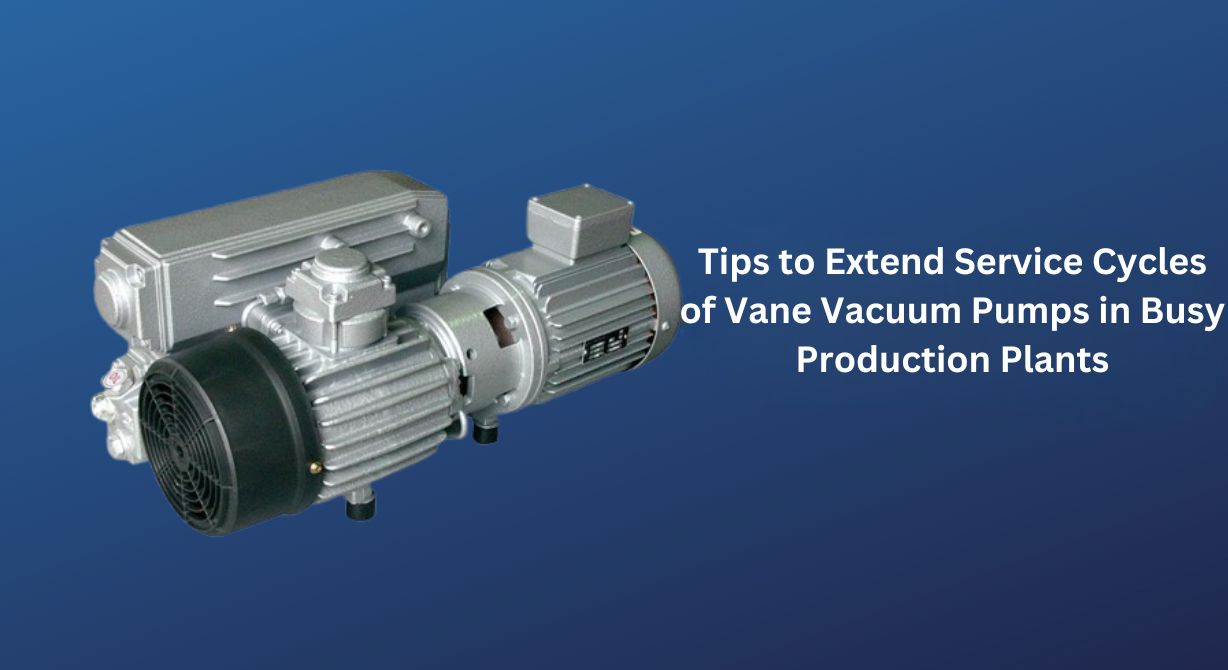
Vane Pump Longevity: Is Your Preventive Maintenance Schedule Truly Effective?
The operational lifespan of a vane pump is a critical determinant of total cost of ownership in countless industrial systems. Many organizations rely on a standard time-based preventive maintenance schedule, but this approach often leads to either unnecessary downtime or catastrophic failure. A truly effective strategy must be rooted in a deep understanding of the primary failure modes, which are almost exclusively tied to fluid condition and component wear.
The core of vane pump longevity lies in the dynamic interface between the vanes and the cam ring. Contamination is the primary adversary; particulate matter accelerates abrasive wear, while water ingress or fluid breakdown can lead to adhesive wear and vane sticking. Therefore, the single most impactful factor is not the interval of service, but the quality and cleanliness of the hydraulic fluid. Implementing rigorous fluid analysis as a cornerstone of your maintenance program transforms it from a calendar-based guess into a data-driven prediction.
Gücüm Pompa engineers its units with longevity as a fundamental design parameter, utilizing materials and tolerances that inherently resist common wear patterns. However, even the most robust pump requires a supportive system. This includes proper filtration systems with beta ratios appropriate for the application's sensitivity, and maintaining optimal fluid temperature to prevent degradation. The vane pump itself is only one component of a larger hydraulic circuit whose health dictates performance.
Moving beyond basic preventive maintenance schedule protocols to a conditional or predictive model yields significant commercial benefits. It maximizes mean time between failures (MTBF), reduces inventory costs for spare parts, and eliminates unplanned production stoppages. For applications in injection molding, machine tools, or mobile equipment, this reliability is a direct competitive advantage. The engineering focus should shift from simply replacing components to actively managing the system environment that governs component wear.
The question of effectiveness is answered by data. By monitoring pressure deviations, flow rates, and fluid quality, maintenance transitions from a cost center to a strategic asset. Gücüm Pompa provides the durable foundation, but the extended service life is achieved through an intelligent, holistic approach to system care that prioritizes fluid integrity and proactive monitoring over rigid, often inefficient, time-based intervals.
The Ultimate Checklist for Industrial Vane Vacuum Pump Reliability and Cycle Extension
In demanding industrial environments, the pursuit of operational excellence hinges on the predictive maintenance of critical equipment like industrial vane vacuum pumps. The Ultimate Checklist for Industrial Vane Vacuum Pump Reliability and Cycle Extension serves as a foundational tool for engineers seeking to move beyond reactive repairs. This systematic guide transforms vague maintenance schedules into a data-driven strategy focused on maximizing mean time between failures (MTBF) and ensuring consistent process integrity.
The checklist's core value lies in its detailed approach to condition monitoring, providing clear protocols for assessing pump health. It outlines specific metrics for evaluating oil quality, vane wear, and bearing temperature, enabling early detection of potential issues before they escalate into costly downtime. By establishing these baseline performance indicators, maintenance teams can implement timely interventions that directly extend the pump's operational lifecycle. This proactive stance is crucial for applications in packaging, plastics, and woodworking where uninterrupted vacuum is essential for production throughput.
A significant section of the checklist is dedicated to optimizing the vacuum system as a whole, not just the pump unit. It emphasizes the importance of inspecting inlet filters, checking for leaks in piping, and ensuring that gas ballasting functions are correctly calibrated to handle condensable vapors. This holistic view prevents the pump from working against system inefficiencies, which is a primary cause of premature wear and excessive energy consumption. Proper gas ballasting is particularly vital for maintaining oil purity and preventing internal corrosion.
For commercial decision-makers, the financial implications are clear. Adherence to this checklist directly reduces total cost of ownership by minimizing unplanned outages, lowering spare parts inventory costs, and improving energy efficiency. The document provides a framework for standardizing maintenance practices across multiple sites, ensuring reliability and repeatability. The engineering expertise of Gücüm Pompa is embedded within this checklist, reflecting a deep understanding of the failure modes that impact vane pump performance in harsh conditions.
This technical resource empowers organizations to shift their maintenance philosophy. It transforms the industrial vane vacuum pump from a periodic expense into a predictable, high-availability asset. By systematically addressing factors like vane wear and oil degradation through a structured plan, companies can achieve significant gains in productivity and operational cost savings, securing a competitive advantage in their respective markets.
Proactive vs. Reactive Maintenance: Which Approach Saves More on Your Vane Pump TCO?
In the critical calculus of industrial operations, the maintenance strategy for essential components like vane pumps directly dictates long-term financial and operational outcomes. The debate between proactive and reactive maintenance is fundamentally about risk management and Total Cost of Ownership (TCO), a metric that extends far beyond the initial purchase price to include energy consumption, downtime, and repair expenses.
A reactive, or run-to-failure, approach may seem cost-effective initially, as it avoids scheduled maintenance costs. However, this strategy ignores the high probability of catastrophic failure, which inevitably leads to unplanned downtime, costly emergency repairs, and potential collateral damage to connected systems. The sudden failure of a vane pump in a continuous process line can halt production for hours or days, creating significant revenue loss that dwarfs any saved maintenance budgets.
Conversely, a proactive maintenance regimen, such as that enabled by Gücüm Pompa's advanced monitoring solutions, is built on predictive analytics and condition monitoring. This methodology focuses on asset reliability by continuously tracking key performance indicators like vane wear, internal clearances, and hydraulic fluid contamination. By analyzing this data, engineers can schedule maintenance during planned shutdowns, replacing components before they cause a failure.
The core benefit of this proactive approach is the optimization of maintenance scheduling. Instead of replacing parts on a fixed, often conservative timeline or waiting for a breakdown, maintenance is performed precisely when needed. This maximizes component life and minimizes both spare part inventory costs and labor. For a Gücüm Pompa unit, this means ensuring peak hydraulic efficiency is maintained, directly reducing energy consumption and operational costs over the pump's entire lifecycle.
The data-driven, proactive model transforms maintenance from a necessary cost center into a strategic function that enhances operational efficiency. While reactive maintenance incurs unpredictable, high-cost events, a proactive strategy delivers a predictable, lower TCO by systematically preventing expensive downtime and extending the service life of critical assets, making it the superior financial and operational choice for modern industrial environments.