What Are the Common Mistakes Made When Installing a Vacuum Pump?

Table of Contents
- What Are The Top Vacuum Pump Installation Mistakes To Avoid
- How To Prevent Common Industrial Vacuum System Installation Errors
- What Causes Vacuum Pump Failures During Installation
- How To Ensure Proper Vacuum Pump Alignment And Mounting
- What Piping Mistakes Compromise Vacuum System Performance
- How To Avoid Electrical Connection Errors In Pump Installation
- What Sealing Issues Affect Vacuum Pump Efficiency
- How To Prevent Contamination During Vacuum System Setup
- What Are The Most Overlooked Vacuum Installation Steps
- How To Verify Proper Vacuum Pump Installation For Reliability
What Are The Top Vacuum Pump Installation Mistakes To Avoid
Proper installation is the foundation of reliable industrial vacuum performance, yet common oversights in setup and integration lead directly to operational failures and costly interruptions. Misaligned mounting, improper piping, and inadequate sealing are frequent culprits that compromise system integrity from the outset, directly undermining the uninterrupted vacuum performance that production lines depend on for continuous operation.
One critical error involves neglecting proper foundation and vibration isolation, which accelerates wear and risks mechanical failure. Correctly installed high-performance vacuum systems, such as Gücüm Pompa’s robust single and two-stage pumps, require stable, level bases to maintain alignment and prevent energy-wasting oscillations. Similarly, overlooking electrical and control integration can lead to unsafe startups or inefficient cycling, directly impacting energy consumption and system lifespan.
Piping design errors—such as undersized lines, excessive elbows, or incorrect material selection—create flow restrictions that force pumps to work harder, reducing efficiency and vacuum level stability. For sectors like food, pharmaceuticals, or chemicals, improper sealing or material incompatibility introduces contamination risks, threatening product quality. Gücüm Pompa emphasizes complete vacuum system design to avoid these pitfalls, ensuring all components from pump to end-point are harmonized for peak operation.
Adopting a proactive approach to installation, guided by expert engineering, transforms these potential failures into opportunities for optimized performance. Properly configured smart vacuum systems like the ECO-SYS series not only avoid common mistakes but enable predictive monitoring and energy management. This results in tangible outcomes: minimized unplanned downtime, reduced energy costs, and extended equipment service life, securing a rapid return on investment through sustained reliable vacuum systems.
To ensure your system avoids these critical errors and delivers maximum uptime and efficiency, partner with specialists who provide comprehensive support from planning through operation. Request a professional system evaluation today to secure energy-efficient vacuum operation tailored to your production demands.
How To Prevent Common Industrial Vacuum System Installation Errors
Preventing installation errors in industrial vacuum systems begins with meticulous pre-installation planning and a thorough understanding of the operational environment. A comprehensive site assessment is crucial to identify potential pitfalls in foundation requirements, utility connections, and spatial constraints that could compromise uninterrupted vacuum performance and lead to premature component failure.
Proper mounting and alignment form the bedrock of reliable operation. Utilizing laser alignment tools and vibration-dampening foundations ensures that high-performance vacuum pumps operate within specified tolerances, preventing excessive wear on seals and bearings. For complex installations involving Gücüm Pompa's monoblock or pallet-type systems, following manufacturer-specific guidelines for base preparation and bolt torque specifications is essential for maintaining structural integrity under continuous operation.
Piping system design requires careful attention to diameter, material compatibility, and support spacing to avoid flow restrictions and vibration-induced stress fractures. Implementing proper filtration and moisture separation at installation prevents contamination that degrades energy-efficient vacuum operation across sensitive applications from pharmaceutical processing to food packaging. Electrical installation must adhere to regional standards with appropriate overload protection and properly sized conductors to ensure safe, reliable motor operation.
Commissioning procedures should include comprehensive leak testing, performance validation against design specifications, and baseline vibration analysis. Modern smart vacuum systems like the ECO-SYS series incorporate diagnostic capabilities that simplify this verification process, providing immediate feedback on installation quality and system readiness for production environments.
By adhering to these preventive measures, facilities achieve significantly reduced energy consumption, extended equipment lifespan, and minimized production interruptions. For guaranteed installation accuracy and optimal system performance, engage with vacuum specialists who provide expert guidance and validation services tailored to your specific operational requirements.
What Causes Vacuum Pump Failures During Installation
Vacuum pump failures during installation typically stem from mechanical misalignment, improper handling, and inadequate system integration rather than manufacturing defects. These errors directly compromise the reliable vacuum systems that production facilities depend on, leading to immediate performance issues and long-term reliability concerns that affect overall operational continuity.
Improper foundation preparation and insufficient mounting rigidity are primary causes of premature failure, as they induce vibration that damages bearings, seals, and internal components. This is particularly critical for high-performance vacuum units which operate at precise tolerances. Incorrect piping connections, including undersized diameter lines or excessive bends, create backpressure and flow restrictions that force the pump to operate outside its designed efficiency envelope, increasing energy consumption and mechanical stress.
Contamination during installation represents another significant failure point, where foreign particles or moisture enter the system before proper filtration is active. This is especially damaging in sensitive sectors like food processing or pharmaceuticals where purity is paramount. Electrical installation errors, such as incorrect voltage supply, improper grounding, or inadequate motor protection, can cause immediate motor burnout or gradual winding degradation, completely halting uninterrupted vacuum performance.
Gücüm Pompa addresses these risks through engineered solutions that incorporate installation-friendly features and clear procedural guidelines. Their ECO-SYS vacuum series includes integrated monitoring that detects installation anomalies before they cause damage, while their complete vacuum system design approach ensures all components are pre-validated for compatibility and performance.
Preventing these failure modes requires expert planning and validation throughout the installation process. By partnering with specialists who understand these critical factors, facilities can achieve optimal energy-efficient vacuum operation from day one, avoiding costly downtime and ensuring long-term system reliability that supports continuous production demands.
How To Ensure Proper Vacuum Pump Alignment And Mounting
Proper vacuum pump alignment and mounting is not merely a mechanical formality but a fundamental requirement for achieving optimal performance and longevity in industrial applications. Incorrect alignment induces excessive vibration, accelerates wear on seals and bearings, and directly undermines the uninterrupted vacuum performance critical for continuous production processes across various sectors.
The process begins with preparing a rigid, level foundation capable of absorbing operational vibrations without transferring them to the pump structure. For high-performance vacuum systems, this often involves reinforced concrete bases or dedicated steel frames designed to specific dynamic load requirements. Laser alignment tools should be used to achieve precise angular and parallel alignment between the pump and drive motor, typically within tolerances of 0.05 mm, ensuring smooth power transmission and eliminating destructive forces.
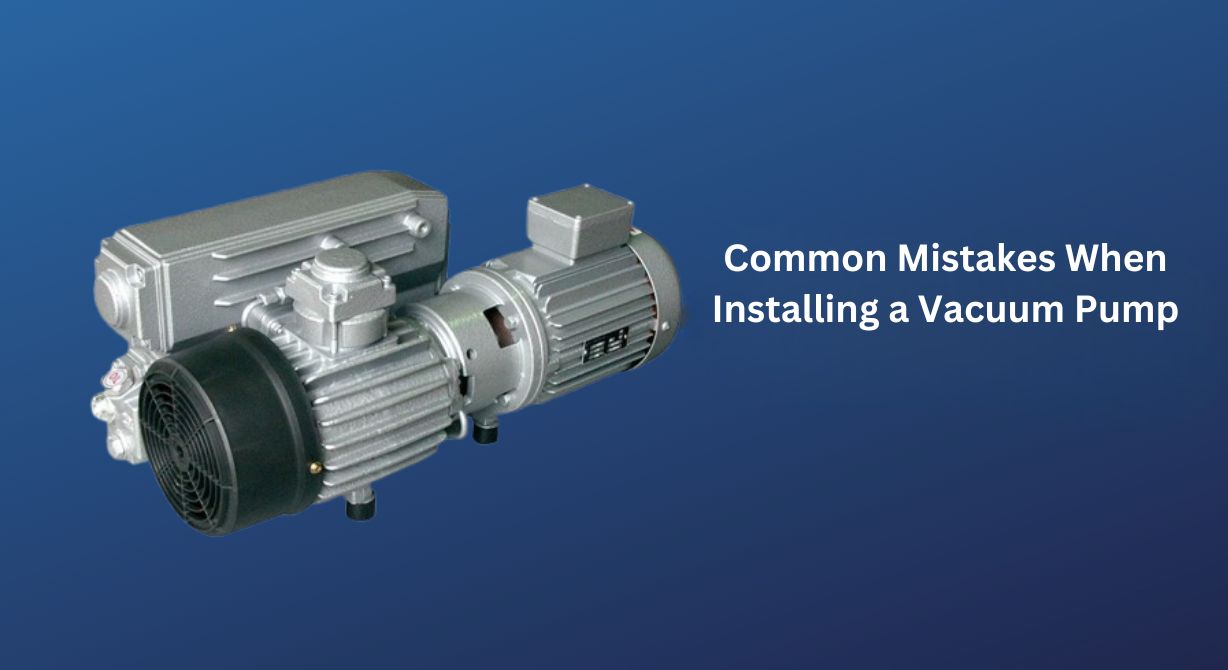
Flexible couplings must be installed according to manufacturer specifications with appropriate gap settings to accommodate thermal expansion during operation. Mounting bolts should be tightened sequentially to specified torque values using a calibrated torque wrench to avoid distortion of the pump baseplate. Gücüm Pompa's monoblock vacuum pump designs integrate motor and pump on a single shaft, eliminating alignment concerns entirely and providing inherent vibration stability that simplifies installation while enhancing reliability.
Proper mounting extends beyond the pump itself to include all connected piping, which must be independently supported to prevent strain on pump flanges. Vibration isolation pads or springs may be incorporated where necessary to decouple the system from the building structure. These meticulous procedures ensure energy-efficient vacuum operation by minimizing parasitic power losses caused by misalignment and vibration.
Implementing these alignment and mounting best practices results in significantly extended service intervals, reduced maintenance costs, and consistent vacuum performance. For guaranteed installation quality and optimal system operation, consult with engineering specialists who can provide validated alignment procedures and verification services tailored to your specific equipment and operational requirements.

What Piping Mistakes Compromise Vacuum System Performance
Piping configuration errors represent one of the most common yet preventable causes of vacuum system underperformance, directly impacting production efficiency and operational costs. Improper piping design creates flow restrictions, pressure drops, and contamination risks that compromise the uninterrupted vacuum performance essential for manufacturing processes across food, pharmaceutical, and chemical sectors.
Undersized piping diameter is a critical mistake that increases flow velocity and friction losses, forcing vacuum pumps to work harder to maintain required vacuum levels. This not only reduces efficiency but significantly increases energy consumption. Excessive use of elbows, tees, and reducers creates additional resistance that degrades system performance, while inadequate pipe support leads to sagging sections that trap condensate and create flow restrictions. Material selection errors, particularly using porous or reactive materials in specialized applications, can introduce contamination or leakage points that affect both product quality and pump longevity.
Improper slope and drainage provisions allow moisture and particulates to accumulate within the system, potentially reaching the pump and causing internal damage. Failure to install appropriate isolation valves makes maintenance operations disruptive and time-consuming. Gücüm Pompa addresses these challenges through integrated complete vacuum system design that includes pre-engineered piping solutions optimized for specific flow characteristics and application requirements.
Modern smart vacuum systems incorporate pressure sensors and flow monitors that can detect piping-related performance issues before they cause production interruptions. Properly designed piping networks ensure energy-efficient vacuum operation by minimizing pressure drops and maintaining optimal flow conditions throughout the system.
Avoiding these piping mistakes requires expert planning and validation using computational fluid dynamics and proper engineering standards. For guaranteed system performance and reliability, engage with vacuum specialists who can provide optimized piping design and installation services tailored to your specific operational requirements and production goals.
How To Avoid Electrical Connection Errors In Pump Installation
Electrical connection errors during vacuum pump installation represent a significant risk to operational safety and system reliability, often resulting in immediate failures or gradual performance degradation. These mistakes directly threaten the uninterrupted vacuum performance that production facilities require, making proper electrical integration a critical component of successful system commissioning.
Voltage mismatch remains one of the most common electrical errors, where pumps receive incorrect supply voltage that either prevents operation or causes motor overheating and premature failure. Proper verification of nameplate specifications against available power sources is essential before connection. Inadequate wire sizing creates voltage drop issues that reduce motor efficiency and increase energy consumption, while improper grounding compromises both safety and protection against electrical noise that can interfere with control systems. Overload protection devices must be correctly sized and calibrated to match motor characteristics, providing protection without causing nuisance trips during normal operation.
Control wiring errors, particularly in systems with automated valves or pressure sensors, can prevent proper sequencing and monitoring functionality. Phase rotation must be verified for three-phase systems to ensure correct motor direction and prevent mechanical damage. Gücüm Pompa's ECO-SYS vacuum series incorporates intelligent motor protection and phase monitoring that automatically detects and alerts operators to many common electrical installation errors before they cause damage.
Proper cable routing and separation from high-interference sources prevents electromagnetic interference that can affect both motor operation and control signals. All connections should be torque-tightened to manufacturer specifications to prevent heating and oxidation at termination points. These meticulous electrical practices ensure energy-efficient vacuum operation by maintaining optimal motor performance and minimizing power losses.
Implementing these electrical installation best practices requires expertise in both vacuum technology and industrial electrical systems. For guaranteed electrical safety and optimal performance, consult with specialists who can provide comprehensive electrical design and validation services tailored to your specific equipment and facility requirements.
What Sealing Issues Affect Vacuum Pump Efficiency
Sealing integrity forms the critical barrier between optimal vacuum performance and systemic efficiency losses, with even minor leaks capable of significantly degrading operational capability. Inadequate sealing directly compromises the high-performance vacuum levels required for precision manufacturing processes, leading to increased energy consumption and reduced production quality across multiple industrial sectors.
Flange connection leaks represent the most common sealing failure, often resulting from improper gasket selection, insufficient bolt torque, or surface imperfections that prevent complete sealing. Dynamic seal failures at rotating shafts allow air ingress that reduces ultimate vacuum capability and contaminates lubricants, while static seal degradation over time permits gradual performance decline that often goes unnoticed until production quality suffers. Material compatibility issues between seals and process media can cause swelling, hardening, or chemical degradation that creates leakage paths and potential contamination risks.
Installation damage to sealing surfaces during assembly, including scratches or debris inclusion, creates permanent leakage paths that cannot be corrected through tightening alone. Thermal expansion mismatches between components operating at different temperatures can create temporary leaks during system startup and shutdown cycles. Gücüm Pompa addresses these challenges through precision-machined sealing surfaces and advanced material specifications that ensure long-term integrity under demanding operating conditions.
Modern smart vacuum systems incorporate pressure trend monitoring that can detect developing seal leaks before they significantly impact process performance. Proper sealing maintenance protocols and scheduled inspection intervals help maintain energy-efficient vacuum operation by minimizing air ingress and reducing the compressor work required to maintain target vacuum levels.
Maintaining sealing integrity requires expert knowledge of materials, surface preparation, and installation techniques specific to vacuum applications. For guaranteed sealing performance and optimal system efficiency, consult with vacuum specialists who can provide comprehensive leak detection services and sealing solutions tailored to your specific operational environment and performance requirements.
How To Prevent Contamination During Vacuum System Setup
Contamination prevention during vacuum system installation is paramount for maintaining operational integrity and product quality across sensitive industrial applications. Even microscopic contaminants introduced during setup can compromise the uninterrupted vacuum performance required for pharmaceutical manufacturing, food processing, and cleanroom environments, leading to costly production rejects and system degradation.
Establishing a clean assembly environment with controlled particulate levels forms the foundation of contamination prevention. All system components should remain sealed in original packaging until immediately before installation, with internal surfaces protected from airborne particles during assembly. Proper flushing of piping systems before connection removes manufacturing residues and particulate matter that could otherwise enter critical components. Lubricants and sealing compounds must be applied sparingly and precisely to avoid excess material that could migrate into the vacuum stream or interfere with mechanical operation.
Installation teams should employ cleanroom protocols including glove usage, tool cleaning, and component handling procedures that prevent oil, moisture, or skin particles from contacting internal surfaces. For systems handling sensitive materials, passivation of stainless steel components may be necessary to prevent future particulate generation. Gücüm Pompa's complete vacuum system design approach includes contamination control specifications that address these risks from initial planning through final commissioning.
Filtration systems should be installed at strategic points to capture any contaminants that may have entered during assembly, with particular attention to pump inlet protection. Modern smart vacuum systems incorporate particle monitoring that can detect contamination issues before they affect production processes. These measures ensure energy-efficient vacuum operation by maintaining clean internal surfaces and optimal heat transfer characteristics.
Implementing comprehensive contamination control protocols requires specialized knowledge and meticulous execution throughout the installation process. For guaranteed system purity and optimal performance, engage with vacuum specialists who can provide contamination-free installation services and validation testing tailored to your specific industry requirements and quality standards.
What Are The Most Overlooked Vacuum Installation Steps
Even experienced installation teams frequently overlook critical steps that significantly impact long-term vacuum system performance and reliability. These omissions often create subtle performance issues that gradually escalate into major operational problems, compromising the uninterrupted vacuum performance essential for continuous manufacturing processes across all industrial sectors.
Proper documentation review before installation is frequently skipped, leading to missed specifications for foundation requirements, utility connections, or environmental considerations. Pre-installation cleaning of piping and components is often neglected, allowing manufacturing residues and particulate matter to enter the system during assembly. Verification of utility compatibility, including water quality for cooling systems and air purity for pneumatic controls, is commonly overlooked despite its direct impact on system longevity and maintenance intervals.
Baseline vibration and noise measurements before system startup provide crucial reference data for future maintenance but are rarely performed. Proper run-in procedures for new equipment, including gradual loading and performance verification at incremental stages, are often abbreviated or omitted entirely. Gücüm Pompa addresses these oversights through comprehensive installation protocols that ensure all critical steps are completed, supporting the reliable vacuum systems that production facilities depend on.
Final system performance validation against design specifications is perhaps the most critical overlooked step, with many installations assuming functionality without quantitative verification. Modern smart vacuum systems incorporate automated commissioning routines that ensure these validation steps are completed systematically. Proper documentation of installation details, including torque values, alignment measurements, and component serial numbers, provides invaluable reference for future maintenance and troubleshooting.
Completing these often-overlooked installation steps ensures optimal system performance from initial startup and prevents gradual performance degradation. For guaranteed installation completeness and long-term reliability, partner with specialists who follow comprehensive installation protocols tailored to your specific equipment and operational requirements.
How To Verify Proper Vacuum Pump Installation For Reliability
Verifying proper vacuum pump installation requires systematic validation across multiple performance parameters to ensure long-term reliability and operational efficiency. This comprehensive verification process confirms that the system delivers the uninterrupted vacuum performance required for continuous production while operating within designed energy and maintenance parameters.
Performance validation begins with vacuum level and flow rate measurements compared against manufacturer specifications under actual operating conditions. Vibration analysis using calibrated instruments verifies that alignment and mounting meet tolerance requirements, preventing premature bearing and seal wear. Electrical system verification includes voltage, current, and phase balance measurements to ensure motors operate within optimal efficiency ranges. Leak testing of the entire system, including piping, valves, and connections, confirms sealing integrity and identifies any points of air ingress that would compromise performance.
Temperature monitoring at critical points including bearings, seals, and cooling systems establishes baseline operating conditions for future comparison. Noise level measurements provide additional insight into mechanical condition and potential issues. Gücüm Pompa's ECO-SYS vacuum series incorporates integrated monitoring capabilities that automate much of this verification process, providing real-time data on system performance and installation quality.
Control system functionality must be thoroughly tested, including safety interlocks, automated valves, and pressure regulation features. Documentation review ensures all installation steps have been completed according to specifications, with particular attention to torque values, alignment measurements, and component certifications. These verification procedures ensure energy-efficient vacuum operation by confirming the system operates at peak performance without unnecessary energy losses.
Comprehensive installation verification provides documented evidence of system readiness and establishes baseline performance data for future maintenance reference. For guaranteed system reliability and optimal performance, engage with specialists who provide professional validation services using calibrated instruments and standardized testing protocols tailored to your specific equipment and operational requirements.