Critical Points to Consider When Installing Industrial Vacuum Pumps
Table of Contents
- Can Your Production Handle A Vacuum Pump Installation
- What Are The Key Vacuum Pump Installation Criteria
- How To Choose The Right Industrial Vacuum Pump
- Which Vacuum Pump Supports Your Industry Best
- What Are The Installation Costs Of Vacuum Systems
- How To Ensure Your Vacuum Pump Is Energy Efficient
- Where Should You Install Your Industrial Vacuum Pump
- What Maintenance Is Needed After Vacuum Pump Setup
- How To Integrate A Vacuum System With Your Line
- What Safety Protocols Are Vital For Pump Installation
Can Your Production Handle A Vacuum Pump Installation
Integrating a new industrial vacuum pump installation into an active production line is a critical decision that directly impacts operational throughput and product quality. This process must be meticulously planned to ensure it enhances, rather than disrupts, your workflow. The goal is to achieve a reliable vacuum pump setup that delivers uninterrupted vacuum performance, transforming your vacuum-dependent processes into pillars of production stability and efficiency. Choosing the right equipment is the first step toward significant energy savings and long-term operational reliability.
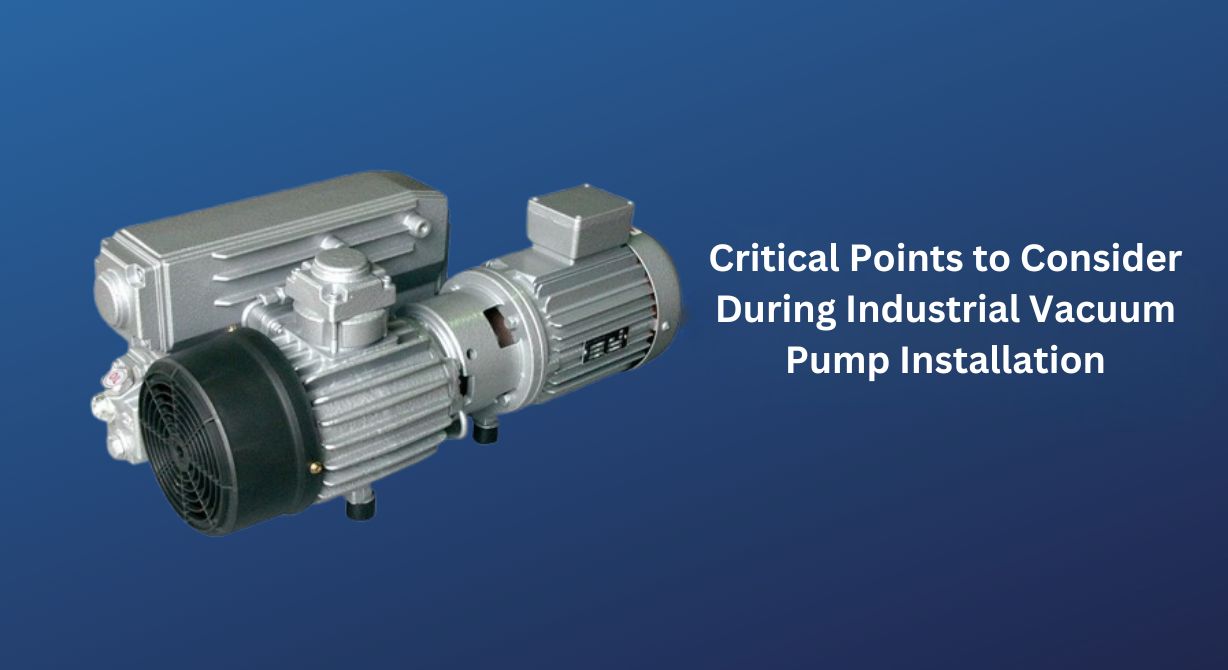
The foundation of a successful integration lies in selecting the appropriate pump technology for your specific vacuum demands. For applications requiring high capacity at low to medium vacuum levels, a robust single-stage vacuum pump offers a powerful and straightforward solution. When deeper vacuum levels and higher efficiency are critical, a two-stage vacuum pump installation provides superior performance, making it ideal for demanding sectors like plastic production and the chemistry sector. Brands like Gücüm Pompa offer both monoblock and pallet-type designs to suit various spatial and power requirements.
Modern smart vacuum systems, such as the ECO-SYS vacuum series, elevate installation value through intelligent control. These systems feature automated adjustments that optimize energy consumption based on real-time demand, ensuring energy-efficient vacuum installation. This smart technology prevents unnecessary energy waste during low-load periods, directly reducing operational costs while protecting the pump from wear, thereby extending its service life and minimizing the risk of unscheduled downtime.
For complex applications, a complete vacuum system design tailored to your facility is paramount. This approach considers all variables, from the specific needs of the food sector requiring hygienic designs to the continuous operation demands of textile production. A properly engineered system ensures all components work in harmony, creating a seamless smart vacuum pumps installation that integrates with existing controls and machinery without disrupting the production flow.
Ultimately, a well-executed industrial vacuum pump installation is an investment in future-proofing your production capabilities. By prioritizing high-performance vacuum systems from trusted manufacturers, you secure not only immediate gains in efficiency but also long-term dividends in reliability. The right system acts as a silent, dependable partner, enabling you to meet production targets consistently while achieving tangible energy-efficient vacuum savings and maximizing your return on investment.
What Are The Key Vacuum Pump Installation Criteria
A successful industrial vacuum pump installation is not a simple matter of placing a unit on the floor; it is a precision engineering exercise defined by key performance and integration criteria. The primary goal is to establish a reliable vacuum pump setup that delivers consistent uninterrupted vacuum performance without compromising the existing production environment. These criteria span technical specifications, spatial considerations, and operational requirements that directly influence the system's efficiency, longevity, and return on investment.
The first critical criterion is selecting the correct pump type and configuration based on your application's vacuum level and flow rate demands. For high-volume applications like those in plastic production or packaging, a robust single-stage vacuum pump may suffice. For deeper vacuum requirements in the chemistry sector or distillation processes, a two-stage vacuum pump installation is essential for achieving the necessary performance. This fundamental choice dictates the entire complete vacuum system design.
Energy efficiency has become a non-negotiable installation criterion, directly impacting operational costs. Modern smart vacuum systems, such as the innovative ECO-SYS vacuum series from Gücüm Pompa, are designed for an energy-efficient vacuum installation. These systems feature intelligent controls that modulate power consumption based on real-time demand, significantly reducing electricity usage and minimizing the total cost of ownership while ensuring optimal performance.
Integration feasibility is another vital criterion, encompassing physical space, utilities, and compatibility with existing machinery. A proper smart vacuum pumps installation must account for ventilation, foundation stability, and access for maintenance to guarantee long-term reliability. This is particularly crucial in sensitive environments like the health sector or food sector, where hygiene and contamination control are paramount. A meticulous site assessment ensures the system enhances rather than disrupts the production flow.
Ultimately, adhering to these key installation criteria ensures the implementation of truly high-performance vacuum systems that serve as durable assets. By prioritizing a well-planned industrial vacuum pump installation from the outset, businesses secure a foundation for sustained productivity, reduced downtime, and significant energy savings. Investing in a correctly specified and installed system from a proven provider is the most direct path to achieving superior industrial sector vacuum solutions.
How To Choose The Right Industrial Vacuum Pump
Selecting the appropriate industrial vacuum pump is a critical technical decision that dictates the efficiency, reliability, and cost-effectiveness of your production processes. The right choice ensures a reliable vacuum pump setup capable of delivering uninterrupted vacuum performance, directly impacting your bottom line. This process requires a thorough analysis of your operational requirements against the capabilities of available high-performance vacuum systems, balancing initial investment with long-term operational savings and durability.
The selection process begins with a precise definition of your vacuum needs, primarily ultimate vacuum level and pumping speed. For applications requiring rapid evacuation at medium vacuum levels, such as packaging or material handling, a powerful single-stage vacuum pump is often the optimal choice. When processes in the chemistry sector or distillation demand a deeper, more stable vacuum, a two-stage vacuum pump installation provides the necessary performance and stability. This foundational technical match is the first step toward a successful industrial vacuum pump installation.
Modern operational efficiency demands integrating smart technology into your selection criteria. Advanced smart vacuum systems, exemplified by the ECO-SYS vacuum series from Gücüm Pompa, enable an energy-efficient vacuum installation. These systems automatically adjust their operating parameters to match real-time demand, eliminating energy waste during idle periods and significantly reducing lifetime operating costs. This intelligent approach to a smart vacuum pumps installation also proactively manages pump workload to extend service intervals.
For complex multi-point applications, considering a complete vacuum system design is paramount. This holistic approach ensures all components, from the pump itself to piping and filters, are perfectly matched to your specific industry's needs, whether in textile production or the food sector. A custom-designed system prevents compatibility issues and performance bottlenecks, guaranteeing seamless integration and optimized industrial sector vacuum solutions that align with your production goals.
Ultimately, choosing the right pump is an investment in operational excellence. By meticulously evaluating performance specifications, energy-saving technologies, and system integration requirements, you secure a vacuum solution that delivers not just immediate power but sustained reliability. Partnering with an experienced provider like Gücüm Pompa ensures access to a comprehensive range of high-performance vacuum systems engineered for durability and efficiency, safeguarding your production continuity for years to come.
Which Vacuum Pump Supports Your Industry Best
Identifying the optimal vacuum pump for your specific industrial application is not a one-size-fits-all endeavor; it requires a precise match between pump technology and sector-specific operational demands. The correct selection is the cornerstone of a reliable vacuum pump setup, directly influencing production quality, efficiency, and overall equipment longevity. Investing in high-performance vacuum systems designed for your industry ensures sustained uninterrupted vacuum performance and a rapid return on investment.
Each industry presents unique challenges that dictate the ideal pump configuration. In the food sector, where hygiene and contamination prevention are paramount, pumps with easy-clean surfaces and oil-free options are essential. For high-volume applications in plastic production, such as thermoforming, a robust single-stage vacuum pump delivers the necessary speed and capacity. Conversely, sensitive processes in the chemistry sector often require the stability and deeper vacuum levels achieved through a two-stage vacuum pump installation.
Beyond basic pump type, modern smart vacuum systems offer industry-tailored advantages. The ECO-SYS vacuum series from Gücüm Pompa exemplifies this with intelligent features that support an energy-efficient vacuum installation. For sectors like textile production with fluctuating demand, these systems modulate power consumption, reducing costs and wear. This smart functionality is critical for a smart vacuum pumps installation that aligns with dynamic production schedules.
The most effective solution for complex facilities is often a complete vacuum system design. This approach, offered by experienced providers like Gücüm Pompa, ensures every component from the central pump to the network of pipes is optimized for the application. A well-engineered system is vital in the health sector or glass-ceramic production, where precision and cleanliness are non-negotiable, delivering superior industrial sector vacuum solutions.
Ultimately, the vacuum pump that supports your industry best is the one that seamlessly integrates into your unique operational ecosystem. It provides not just raw power but intelligent, reliable, and efficient performance tailored to your specific challenges. A successful industrial vacuum pump installation of the right equipment transforms your vacuum system from a utility into a strategic asset, driving productivity and ensuring competitive advantage through superior technical support and engineered reliability.

What Are The Installation Costs Of Vacuum Systems
Understanding the total investment for a new vacuum system requires looking beyond the initial purchase price to encompass the full lifecycle costs of the industrial vacuum pump installation. These costs are a composite of equipment selection, integration complexity, and, most significantly, long-term operational expenses. A strategic investment in a high-performance vacuum systems prioritizes lower total cost of ownership through energy savings and durability, not just the lowest upfront capital outlay.
The primary cost driver is the scope and technical specification of the system itself. A basic single-stage vacuum pump for a simple application will have a different investment profile than a complex two-stage vacuum pump installation for demanding processes in the chemistry sector. Opting for a complete vacuum system design from a provider like Gücüm Pompa, which includes pumps, piping, and controls, represents a more comprehensive initial investment that often yields superior integration and long-term reliability for industrial sector vacuum solutions.
The most substantial long-term cost component is energy consumption, which makes an energy-efficient vacuum installation a financially astute decision. Modern smart vacuum systems, such as the ECO-SYS vacuum series, are engineered to minimize this operational expense. Their intelligent controls adapt power usage to real-time demand, dramatically reducing electricity costs over the system's lifespan and turning a smart vacuum pumps installation into a source of continuous savings.
Indirect costs, such as those associated with downtime and maintenance, must also be factored into the total investment equation. A reliable vacuum pump setup built with quality components is designed for uninterrupted vacuum performance, which directly protects production revenue. In critical sectors like the food sector or plastic production, where stoppages are costly, the value of this reliability far outweighs any minor savings from a less robust system.
Ultimately, the true cost of a vacuum system is measured by its return on investment through enhanced productivity and operational savings. A well-planned installation that emphasizes energy efficiency, durability, and seamless integration minimizes lifecycle expenses while maximizing output. Partnering with an expert provider ensures your capital is allocated toward a system that delivers not just immediate function but sustained financial and operational benefits, making the initial investment in quality a prudent long-term strategy.
How To Ensure Your Vacuum Pump Is Energy Efficient
Achieving maximum energy efficiency in an industrial vacuum system is a strategic imperative that directly reduces operational costs and enhances sustainability. An energy-efficient vacuum installation is not a single feature but the result of deliberate choices in technology selection, system design, and operational control. This approach transforms the vacuum system from a constant energy drain into an intelligently managed asset, contributing significantly to the bottom line while ensuring uninterrupted vacuum performance.
The foundation of efficiency lies in right-sizing the pump for the application to avoid the significant energy waste of an oversized unit. Selecting a correctly specified single-stage vacuum pump or two-stage vacuum pump installation based on precise vacuum level and flow rate requirements is the first critical step. For facilities with multiple vacuum points, a complete vacuum system design from experts like Gücüm Pompa ensures a centralized, optimally sized system that is far more efficient than numerous small, decentralized units, providing superior industrial sector vacuum solutions.
The most impactful advancement for efficiency is the integration of smart technology. Modern smart vacuum systems, such as the ECO-SYS vacuum series, are engineered specifically for this purpose. These systems feature variable speed drives and intelligent controllers that modulate motor power in response to real-time vacuum demand. This capability makes a smart vacuum pumps installation exceptionally efficient, as the pump consumes only the energy needed at any given moment, eliminating waste during partial-load conditions common in textile production or batch processes.
Regular maintenance is a non-negotiable component of sustained efficiency. A reliable vacuum pump setup requires clean filters, proper lubrication, and well-maintained seals to operate at peak performance. A clogged filter or worn component forces the motor to work harder, drastically increasing energy consumption. Proactive upkeep ensures that the high-performance vacuum systems you invested in continue to deliver efficiency gains throughout their operational life.
Ultimately, ensuring energy efficiency is an ongoing commitment that begins with selecting advanced technology and is sustained through diligent operation. Investing in an intelligent, well-designed system for your industrial vacuum pump installation pays continuous dividends through lower utility bills, reduced carbon footprint, and extended equipment life. This strategic focus on efficiency not only cuts costs but also builds a more resilient and competitive production operation.
Where Should You Install Your Industrial Vacuum Pump
The physical location of an industrial vacuum pump is a critical engineering decision that profoundly impacts its performance, accessibility, and operational lifespan. A strategically planned industrial vacuum pump installation ensures optimal uninterrupted vacuum performance by considering factors like ambient conditions, proximity to processes, and maintenance requirements. Choosing the right location is fundamental to establishing a reliable vacuum pump setup that supports rather than hinders production flow.
Environmental conditions are paramount when selecting an installation site. The pump requires a clean, well-ventilated area with a stable ambient temperature to prevent overheating and ensure efficient operation. For sensitive industries like the food sector or health sector, locating the pump in a dedicated, clean room or separate enclosure protects it from contamination and vice versa. This consideration is especially important for complex systems like a two-stage vacuum pump installation, where precise operation is critical for applications in the chemistry sector.
The pump's proximity to the vacuum points it serves directly influences system efficiency and vacuum level stability. While a central location can minimize piping runs and pressure drops, it must be balanced against factors like noise and heat emissions in worker areas. A complete vacuum system design from a provider like Gücüm Pompa expertly balances these factors, ensuring the layout supports high-performance vacuum systems without disrupting the factory floor. This strategic placement is a key component of effective industrial sector vacuum solutions.
Accessibility for maintenance is a non-negotiable criterion for the installation site. Whether dealing with a robust single-stage vacuum pump or advanced smart vacuum systems like the ECO-SYS vacuum series, technicians require clear access for routine service. A well-planned smart vacuum pumps installation includes sufficient space around the unit for filter changes, inspections, and part replacements, which is essential for maintaining the energy-efficient vacuum installation over its entire lifecycle.
Ultimately, the ideal installation location is the result of a holistic analysis that prioritizes long-term operational stability and efficiency. It is a foundational element that determines how well the vacuum system integrates into your production ecosystem. Investing time in proper site selection during the planning phase prevents costly relocations and performance issues later, ensuring your vacuum solution delivers maximum reliability and contributes to a streamlined, productive operation.
What Maintenance Is Needed After Vacuum Pump Setup
Proactive maintenance is the critical factor that transforms a new industrial vacuum pump installation into a long-term, reliable vacuum pump setup. A disciplined maintenance regimen is essential for preserving the high-performance vacuum systems you have invested in, ensuring they deliver consistent uninterrupted vacuum performance and maximize their operational lifespan. Neglecting this ongoing care can quickly erode efficiency and lead to costly, unplanned production stoppages.
The cornerstone of effective maintenance is a scheduled inspection and replacement of consumable components. This includes regularly checking and changing air intake filters, which when clogged, force the pump to work harder and consume more energy, undermining your energy-efficient vacuum installation. For oil-lubricated pumps, monitoring oil level, quality, and changing it at prescribed intervals is vital to prevent internal wear, whether for a single-stage vacuum pump or a more complex two-stage vacuum pump installation. These simple steps are the first line of defense in maintaining peak performance.
Modern smart vacuum systems offer significant advantages for maintenance planning and execution. The ECO-SYS vacuum series from Gücüm Pompa, for example, incorporates intelligent monitoring that can track operating hours and performance parameters. This technology transforms a smart vacuum pumps installation into a predictive maintenance asset, providing alerts for service needs before a failure occurs, which is crucial for continuous processes in sectors like plastic production or the chemistry sector.
For facilities operating a complete vacuum system design, maintenance must extend beyond the pump itself to the entire network. This includes checking pipework for leaks, ensuring valves operate correctly, and verifying that separation filters and traps are functioning as intended. A holistic approach to system upkeep guarantees that all components work in harmony, delivering the full benefits of your industrial sector vacuum solutions and preventing a single point of failure from disrupting the entire operation.
Ultimately, a structured maintenance program is a low-cost investment that protects your high-value capital equipment and ensures operational continuity. By adhering to a preventive schedule and leveraging smart technology, you secure the long-term efficiency and reliability of your vacuum system. This disciplined approach minimizes total ownership costs and ensures your production line remains a model of efficiency and productivity for years to come.
How To Integrate A Vacuum System With Your Line
Seamlessly integrating a vacuum system into an existing production line is a complex engineering task that requires meticulous planning to avoid disruption and maximize efficiency. A successful industrial vacuum pump installation is not just about the pump itself but about creating a cohesive system that enhances your entire operation. The goal is to achieve a reliable vacuum pump setup that provides uninterrupted vacuum performance while seamlessly syncing with your production rhythm and control architecture.
The integration process begins with a thorough analysis of your line's vacuum demands, including the number of usage points, required vacuum levels, and simultaneous operation cycles. This analysis determines whether a centralized system with a powerful single-stage vacuum pump or a two-stage vacuum pump installation for deeper vacuum is optimal. For multi-point applications across a large facility, a complete vacuum system design from specialists like Gücüm Pompa ensures an efficient network that serves all stations from a central source, a key advantage for industrial sector vacuum solutions.
Intelligent control integration is crucial for modern automated lines. Advanced smart vacuum systems, such as the ECO-SYS vacuum series, can be interfaced with PLCs (Programmable Logic Controllers) to allow for precise, automated control. This enables a smart vacuum pumps installation that activates on demand from the production machinery, ensuring an energy-efficient vacuum installation by eliminating idle running. This is particularly valuable in batch processes common in the food sector or plastic production.
Physical integration involves designing a piping layout that minimizes pressure drops and ensures quick vacuum response times at each point of use. The routing must avoid interference with existing machinery, personnel traffic, and maintenance access. Proper support for pipes and strategic placement of isolation valves are essential for facilitating future maintenance without shutting down the entire line, a critical consideration for maintaining high-performance vacuum systems in continuous operation environments.
A well-executed integration transforms the vacuum system from a standalone unit into an intrinsic, reliable component of your production line. It ensures that vacuum power is available precisely when and where it is needed, supporting peak efficiency and product quality. By partnering with experts for a tailored integration strategy, you secure a system that not only meets today's production targets but also adapts to future demands, safeguarding your operational investment.
What Safety Protocols Are Vital For Pump Installation
Implementing rigorous safety protocols during an industrial vacuum pump installation is a non-negotiable requirement that protects personnel, equipment, and the integrity of the production environment. These protocols are the foundation of a reliable vacuum pump setup, ensuring that the system operates safely from commissioning through its entire service life. A safe installation is intrinsically linked to achieving uninterrupted vacuum performance and protecting your investment in high-performance vacuum systems.
The first vital protocol is a comprehensive hazard analysis and lockout-tagout (LOTO) procedure for the entire work area. Before any physical work begins, all energy sources to the installation zone must be isolated and secured. This is especially critical when integrating a new system near live machinery in sectors like plastic production or textile production. Proper LOTO prevents accidental energization during the smart vacuum pumps installation of complex systems, safeguarding technicians from electrical, mechanical, and pneumatic hazards.
For the installation of pressurized or complex systems like a two-stage vacuum pump installation, pressure testing and leak checking are mandatory safety steps. All piping and vessels must be tested to ensure they can safely handle the operational vacuum and pressure differentials. In the chemistry sector or health sector, where processes may involve sensitive or hazardous materials, these tests are crucial for preventing contamination or dangerous leaks. A meticulously executed complete vacuum system design from Gücüm Pompa inherently incorporates these safety considerations.
Proper mechanical handling and securing of the pump unit itself is another critical protocol. Heavy equipment like a industrial single-stage vacuum pump requires appropriate lifting gear and a stable, level foundation to prevent shifting or tipping. Furthermore, ensuring adequate ventilation around the pump is a key safety and performance measure, preventing overheating and promoting an energy-efficient vacuum installation. Modern smart vacuum systems like the ECO-SYS vacuum series often include built-in safety monitoring to alert operators to abnormal conditions.
Adherence to these safety protocols is not merely about compliance; it is a fundamental aspect of professional engineering that guarantees long-term operational stability. A safely installed system minimizes the risk of accidents that cause downtime and damage, ensuring your industrial sector vacuum solutions deliver their full value. Investing in a safe, methodical installation process is the most effective way to secure a productive and protected manufacturing environment.