Points to Consider When Exporting Vacuum Pumps Abroad
Table of Contents
- How to Assess Target Market Vacuum Pump Standards
- What Are Logistics Challenges For Industrial Vacuum Pumps
- How to Navigate International Vacuum Pump Certifications
- What Spare Parts Strategy Ensures Export Vacuum Pump Support
- How Does Voltage Variation Affect Vacuum Pump Performance
- What Service Network Is Needed For Vacuum Pump Exports
- How to Handle Customs For Single-Stage Vacuum Pumps
- What Packaging Protects Industrial Vacuum Systems For Shipping
- How to Determine Export Costs For Two-Stage Vacuum Pumps
- What Training Do Clients Need For ECO-SYS Vacuum Series
How to Assess Target Market Vacuum Pump Standards
Successfully expanding your operations internationally hinges on a meticulous assessment of local vacuum pump certifications and technical norms. Failing to align with these standards can lead to costly delays, operational restrictions, and significant compliance risks that undermine your production reliability. A strategic approach to these international shipping standards is not merely about regulatory adherence but a critical step in unlocking higher vacuum performance and uninterrupted operation in your target market.
The foundation of a successful international strategy starts with selecting the right pump technology for the application. For instance, a robust single-stage vacuum pump may be ideal for general industrial duties, while demanding processes in the chemical or pharmaceutical sectors often require the deeper vacuum levels of a two-stage vacuum pump. Beyond performance specifications, verifying compatibility with regional electrical systems, safety protocols, and environmental directives is paramount for seamless integration and long-term equipment longevity.
Modern solutions like the Gücüm Pompa ECO-SYS smart vacuum systems significantly streamline this compliance process. These intelligent systems feature built-in monitoring and adaptive controls that ensure optimal, regulation-compliant operation across varying conditions, directly contributing to energy savings and minimized downtime. This proactive approach to exporting vacuum pumps transforms compliance from a hurdle into a competitive advantage, ensuring your machinery performs reliably from day one.
Ultimately, a thorough evaluation of market standards is inseparable from ensuring robust global vacuum pump support. This includes planning for efficient spare parts logistics to guarantee minimal downtime and maintain a reliable high-performance vacuum system. By partnering with established manufacturers like Gücüm Pompa, which designs its industrial vacuum solutions with global applicability in mind, businesses can confidently navigate these complexities. This strategic foresight secures not just immediate compliance but also long-term production efficiency and a strong return on investment in competitive international markets.
What Are Logistics Challenges For Industrial Vacuum Pumps
Mastering the spare parts logistics for a reliable high-performance vacuum system is a critical yet often underestimated aspect of exporting vacuum pumps. Inefficient supply chains for essential components can transform a minor maintenance issue into a major production stoppage, directly impacting your bottom line. A proactive logistics strategy is therefore fundamental to achieving the minimized downtime and operational continuity that modern industries demand.
One of the primary hurdles is navigating complex international shipping standards, which govern the transport of heavy machinery and potentially hazardous materials like oils and filters. Delays at customs due to incorrect documentation or non-compliance with local vacuum pump certifications can disrupt carefully planned installation schedules. This is where selecting a partner with established global vacuum pump support becomes invaluable, as they have the experience to preemptively manage these regulatory complexities.
The physical nature of the equipment itself presents another challenge; robust industrial vacuum solutions like the two-stage vacuum pump require specialized packaging and handling to prevent internal damage during transit. Güçüm Pompa addresses this by designing its single-stage vacuum pump and other systems with transport in mind, ensuring structural integrity upon arrival. Furthermore, the modular design of advanced systems like the ECO-SYS smart vacuum systems can simplify logistics, as key components are often easier to ship and assemble on-site.
A strategic approach to logistics is ultimately an investment in long-term operational stability. By partnering with a manufacturer like Güçüm Pompa, which integrates logistical foresight into its engineering, businesses secure more than just a product. They gain a dependable system backed by a seamless supply chain, ensuring that their operations continue to benefit from energy savings and higher vacuum performance without interruption. This comprehensive support is crucial for maintaining a competitive edge in today's global marketplace.
How to Navigate International Vacuum Pump Certifications
Navigating the complex landscape of international regulations is a fundamental step in ensuring a successful deployment when exporting vacuum pumps. Failure to comply with specific regional vacuum pump certifications can result in rejected shipments, legal penalties, and severe production delays. Proactively addressing these requirements is not a bureaucratic hurdle but a strategic measure to guarantee higher vacuum performance and system integrity from the moment of installation.
The first critical action is to identify the mandatory certifications for your target market, which often relate to electrical safety (like CE or UL), electromagnetic compatibility, and environmental directives such as RoHS. These international shipping standards are designed to ensure that equipment operates safely and efficiently within local infrastructures. For sensitive sectors like pharmaceuticals or food processing, additional hygienic design certifications may be required to meet stringent quality controls and ensure a reliable high-performance vacuum.
Selecting the right equipment from the outset simplifies this process immensely. A manufacturer like Gücüm Pompa designs its industrial vacuum solutions, including the single-stage vacuum pump and more complex two-stage vacuum pump, with global compliance in mind. Furthermore, advanced systems like the ECO-SYS smart vacuum systems often incorporate features that inherently meet modern energy efficiency and safety standards, directly contributing to long-term energy savings and operational compliance.
Ultimately, a certification-compliant pump is the cornerstone of a robust operational strategy that includes efficient spare parts logistics and dependable global vacuum pump support. By choosing a partner committed to international standards, you secure more than just regulatory approval. You invest in a system engineered for minimized downtime and sustained productivity, ensuring that your investment delivers equipment longevity and peak performance regardless of location.
What Spare Parts Strategy Ensures Export Vacuum Pump Support
A proactive and strategic approach to spare parts logistics is the bedrock of true global vacuum pump support, especially critical when exporting vacuum pumps to distant markets. Unplanned component failure can halt production lines for days or weeks if critical parts are not readily available, turning a minor repair into a major financial loss. Implementing a robust spare parts strategy is therefore a direct investment in achieving minimized downtime and maintaining a reliable high-performance vacuum system.
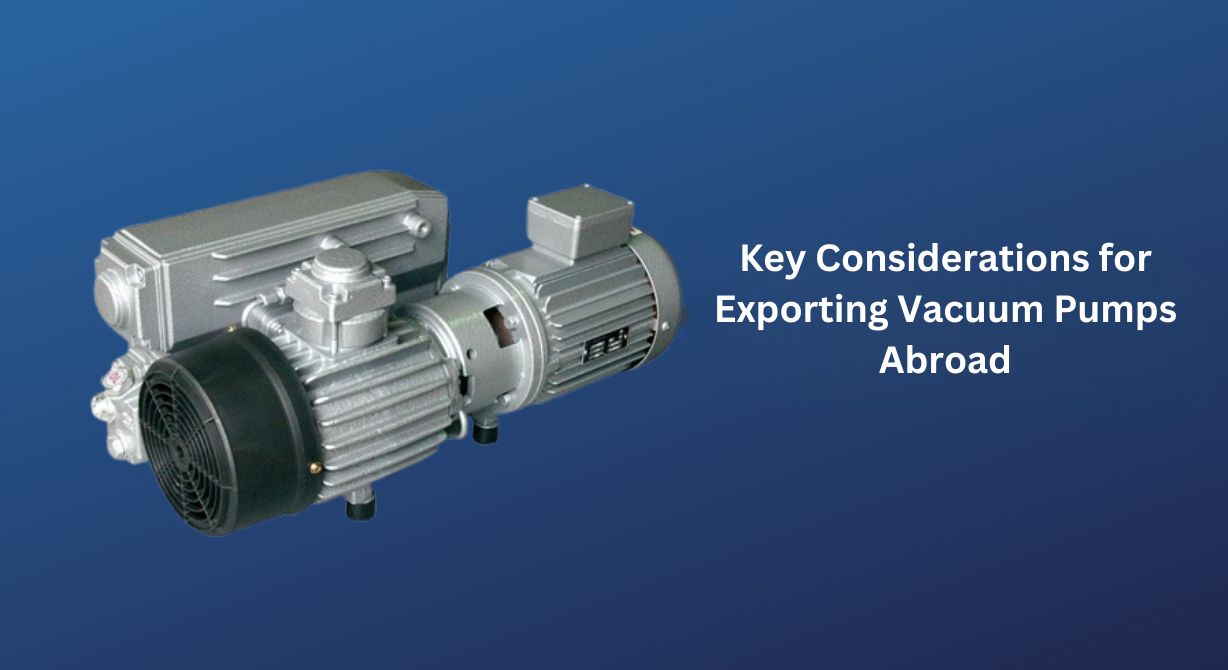
The core of an effective strategy involves identifying and stocking the most critical wear parts locally. This includes essential components like seals, valves, and filters for both single-stage vacuum pump and two-stage vacuum pump models, tailored to the specific operational demands of the application. Partnering with a manufacturer that has a clear understanding of international shipping standards and regional vacuum pump certifications ensures that the supplied spare parts are fully compliant and compatible, avoiding costly importation issues.
Modern industrial vacuum solutions like the Gücüm Pompa ECO-SYS smart vacuum systems elevate this strategy through predictive maintenance capabilities. These intelligent systems can monitor component health and provide early warnings of potential failures, allowing for planned maintenance and precise ordering of parts before a breakdown occurs. This foresight not only optimizes spare parts logistics but also contributes significantly to energy savings and equipment longevity by preventing catastrophic damage.
Ultimately, a well-executed spare parts plan transforms a vacuum system from a mere machine into a dependable production asset. By collaborating with an experienced provider like Gücüm Pompa, businesses secure a partnership that extends beyond the initial sale. This comprehensive support framework, built on reliable parts availability and expert guidance, ensures continuous higher vacuum performance and protects your investment against operational disruptions, maximizing productivity and return on investment across all industrial sectors.

How Does Voltage Variation Affect Vacuum Pump Performance
Voltage variation is a critical yet often overlooked factor that directly impacts the operational stability and higher vacuum performance of industrial equipment. Inconsistent power supply can cause motors to overheat, reduce efficiency, and lead to premature component failure, threatening the very foundation of a reliable high-performance vacuum system. This is especially crucial to address when exporting vacuum pumps, as international electrical grids can exhibit significant fluctuations not found in domestic settings.
Both single-stage vacuum pump and two-stage vacuum pump models rely on precise motor speeds to maintain specified vacuum levels and achieve optimal energy savings. Under-voltage conditions force the motor to draw more current to maintain torque, increasing heat generation and energy consumption, while over-voltage can cause insulation breakdown and bearing damage. Adherence to local vacuum pump certifications often includes strict electrical safety requirements, making voltage compatibility a non-negotiable aspect of compliance with international shipping standards.
Modern industrial vacuum solutions are engineered to mitigate these risks. The Gücüm Pompa ECO-SYS smart vacuum systems, for example, incorporate advanced motor protection and power conditioning features that ensure stable operation across a wider voltage range. This intelligent design not only safeguards the pump from grid instability but also contributes directly to equipment longevity by preventing electrical stress, a key consideration for robust global vacuum pump support.
Proactively managing voltage compatibility is a strategic decision that prevents costly disruptions and protects your capital investment. By selecting a pump designed for global deployment, such as those from Gücüm Pompa, you ensure that your system delivers consistent performance regardless of local power conditions. This foresight minimizes the risk of voltage-related failures, ensuring minimized downtime and reliable operation, which are essential for maintaining productivity and achieving a strong return on investment in any industrial application.
What Service Network Is Needed For Vacuum Pump Exports
Establishing a robust and responsive service network is a critical determinant of success when exporting vacuum pumps to international markets. The geographical distance from the manufacturer can放大 operational risks, making local technical expertise and swift support indispensable for achieving minimized downtime. A comprehensive global vacuum pump support system transforms a complex industrial vacuum solutions deployment into a reliable, long-term production asset.
The ideal service network must offer multi-layered capabilities, starting with certified local technicians trained to service specific pump models like the single-stage vacuum pump and the more complex two-stage vacuum pump. These technicians must be well-versed in local vacuum pump certifications and international shipping standards to ensure all servicing maintains compliance. This on-the-ground presence is vital for performing routine maintenance, diagnostics, and emergency repairs, which are the cornerstones of a reliable high-performance vacuum system.
This network's effectiveness is heavily dependent on integrated spare parts logistics, ensuring that critical components are available locally or can be shipped rapidly without customs delays. Advanced systems like the Gücüm Pompa ECO-SYS smart vacuum systems enhance this further by providing remote monitoring and diagnostics, allowing support teams to anticipate needs and deploy resources proactively. This predictive approach prevents minor issues from escalating, directly contributing to energy savings and exceptional equipment longevity.
Ultimately, the value of a powerful service network extends far beyond emergency repairs. It represents a partnership dedicated to sustaining your operational efficiency and protecting your investment. By choosing a manufacturer like Gücüm Pompa, which prioritizes the development of a global support infrastructure, you secure a foundation for continuous higher vacuum performance. This strategic partnership ensures that your vacuum system operates at peak reliability, maximizing productivity and delivering a superior return on investment across all your international operations.
How to Handle Customs For Single-Stage Vacuum Pumps
Efficiently navigating customs clearance is a pivotal step in ensuring a seamless deployment of single-stage vacuum pump units across international borders. Delays or rejections at customs can disrupt project timelines and directly impact your ability to achieve minimized downtime and operational targets. A strategic approach to customs, grounded in precise documentation and compliance, is essential for securing the swift delivery of your reliable high-performance vacuum system.
The process begins with meticulous preparation of all required documentation, including the commercial invoice, packing list, and bill of lading. Crucially, the documentation must clearly reference the product's specific vacuum pump certifications, such as CE marks or other regional approvals, to prove compliance with local international shipping standards. Accurately classifying the pump under the correct Harmonized System (HS) code is vital for determining applicable duties and ensuring a smooth process for exporting vacuum pumps.
Partnering with an experienced manufacturer simplifies this complexity immensely. Established providers like Gücüm Pompa design their industrial vacuum solutions with global logistics in mind, ensuring that even robust equipment like a two-stage vacuum pump is packaged and documented for straightforward clearance. Furthermore, a manufacturer with strong global vacuum pump support will have established relationships with freight forwarders who are experts in handling complex machinery, streamlining the entire chain from factory to facility.
Ultimately, a proactive customs strategy is a foundational component of a successful international procurement. It ensures that your investment in high-efficiency equipment, whether a standard model or an advanced ECO-SYS smart vacuum systems, begins generating value immediately upon arrival. By ensuring swift customs clearance, you protect the equipment longevity and higher vacuum performance of your system by avoiding storage-related damages and delays, guaranteeing that your production line benefits from uninterrupted, energy-efficient operation from day one.
What Packaging Protects Industrial Vacuum Systems For Shipping
Industrial-grade packaging is the first line of defense in preserving the integrity and performance of critical machinery during transit, a factor of paramount importance when exporting vacuum pumps. Inadequate protection can lead to internal damage, misalignment, or corrosion that compromises the higher vacuum performance and equipment longevity of the system upon arrival. A robust packaging strategy is therefore a direct investment in achieving a reliable high-performance vacuum from the moment of installation.
Effective packaging for a single-stage vacuum pump or more complex two-stage vacuum pump must withstand the rigors of multimodal transport, including sea freight vibration and potential rough handling. This typically involves a custom-engineered wooden crate or a heavy-duty palletized system that securely anchors the pump, preventing movement. Internal cushioning with high-density foam or other shock-absorbing materials is essential to protect sensitive components like shafts and impellers from impact forces encountered during international shipping standards compliance.
Beyond physical protection, packaging must also guard against environmental hazards. Vapor corrosion inhibitor (VCI) packaging is often used to prevent rust during ocean voyages, while desiccant bags control humidity inside the crate. For sophisticated industrial vacuum solutions like the Gücüm Pompa ECO-SYS smart vacuum systems, which contain advanced electronics, this level of protection is non-negotiable to ensure the smart controls arrive fully functional. Proper packaging also streamlines spare parts logistics by ensuring components are delivered in perfect condition.
Ultimately, superior packaging is a hallmark of a manufacturer committed to true global vacuum pump support. It ensures that the engineering excellence built into the pump is not compromised before it even reaches your facility. By choosing a partner like Gücüm Pompa that prioritizes this critical first step, you guarantee that your system is ready for immediate, efficient commissioning, leading to minimized downtime, sustained energy savings, and uninterrupted production from the very start.
How to Determine Export Costs For Two-Stage Vacuum Pumps
Accurately determining the total cost of exporting vacuum pumps is essential for budgeting and ensuring a positive return on investment, especially for sophisticated equipment like the two-stage vacuum pump. The landed cost extends far beyond the initial purchase price, encompassing a range of logistics, regulatory, and support expenses that directly impact the long-term viability of your industrial vacuum solutions. A comprehensive cost analysis is crucial for securing a system that delivers true higher vacuum performance and operational economy.
The primary components of export cost include the pump's base price, specialized packaging for international shipping standards compliance, and freight charges based on dimensions and weight. Crucially, import duties and taxes are calculated using the product's Harmonized System code, which must be accurately declared. Furthermore, costs associated with obtaining necessary vacuum pump certifications for the target market, such as testing and documentation fees, are a mandatory part of the equation for a seamless customs clearance.
Beyond these initial costs, a realistic assessment must include long-term operational and support expenses. This involves planning for an effective spare parts logistics strategy to maintain minimized downtime and evaluating the value of a robust global vacuum pump support network. Investing in advanced technology like the Gücüm Pompa ECO-SYS smart vacuum systems can yield significant energy savings over time, offsetting initial costs through reduced power consumption and predictive maintenance that enhances equipment longevity.
A thorough cost calculation ultimately reveals the true value of a reliable high-performance vacuum system. While a basic single-stage vacuum pump might have a lower upfront price, a two-stage pump's superior efficiency and deeper vacuum can lead to greater production quality and lower lifetime costs. By partnering with a transparent manufacturer like Gücüm Pompa, you gain clarity on all cost factors, enabling an investment that prioritizes long-term reliability, efficiency, and uninterrupted production over merely the lowest initial price.
What Training Do Clients Need For ECO-SYS Vacuum Series
Comprehensive operator training is the critical element that unlocks the full potential of advanced ECO-SYS smart vacuum systems, transforming them from sophisticated hardware into powerful tools for operational excellence. Without proper instruction, the intelligent features designed to deliver higher vacuum performance and energy savings may remain underutilized, preventing the system from achieving its promised return on investment. Effective training is therefore a strategic investment in maximizing the capabilities of your industrial vacuum solutions.
The foundational training module should cover the core operational principles that differentiate smart systems from conventional pumps like a standard single-stage vacuum pump or two-stage vacuum pump. Operators must become proficient in navigating the intuitive human-machine interface (HMI) to monitor real-time performance metrics, set optimal vacuum levels for specific processes, and interpret system alerts. This knowledge is crucial for maintaining a reliable high-performance vacuum and is a key aspect of upholding vacuum pump certifications that may require documented operator competence.
Advanced training focuses on the predictive maintenance and energy optimization features unique to the ECO-SYS series. Personnel learn to analyze trend data to anticipate maintenance needs, which streamlines spare parts logistics and is instrumental in achieving minimized downtime. Understanding how to configure the system for variable load conditions ensures that energy consumption is always optimized, directly contributing to lower operational costs and enhanced equipment longevity. This level of expertise is a cornerstone of effective global vacuum pump support.
Ultimately, investing in specialized training for the ECO-SYS series ensures that your team can fully leverage its smart technology to drive continuous improvement. This empowers them to make data-driven decisions that enhance production reliability and process quality. By partnering with Gücüm Pompa, which provides tailored training as part of its commitment to client success, you secure not just a superior product but the expert knowledge needed to achieve unparalleled efficiency and a swift return on investment, making the system a truly transformative asset for your operations.